
Service Appointment & Enquiry
Customer Service Tel: 4000-0750-68

Service Appointment & Enquiry
Customer Service Tel: 4000-0750-68
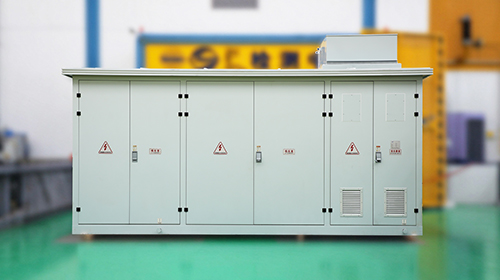
Prefabricated Substations for photovoltaic power generation at a park owned by a manufacturer have suffered frequent high-temperature alarms after only two years of operation. Similar equipment in the same project has caught fire, posing prominent overall operational risks. To prevent potential safety incidents on the in-service prefabricated substations, eliminate operational hazards and mitigate safety risks, the user urgently requires special upgrading and renovation for one prefabricated substation of the same type on site.
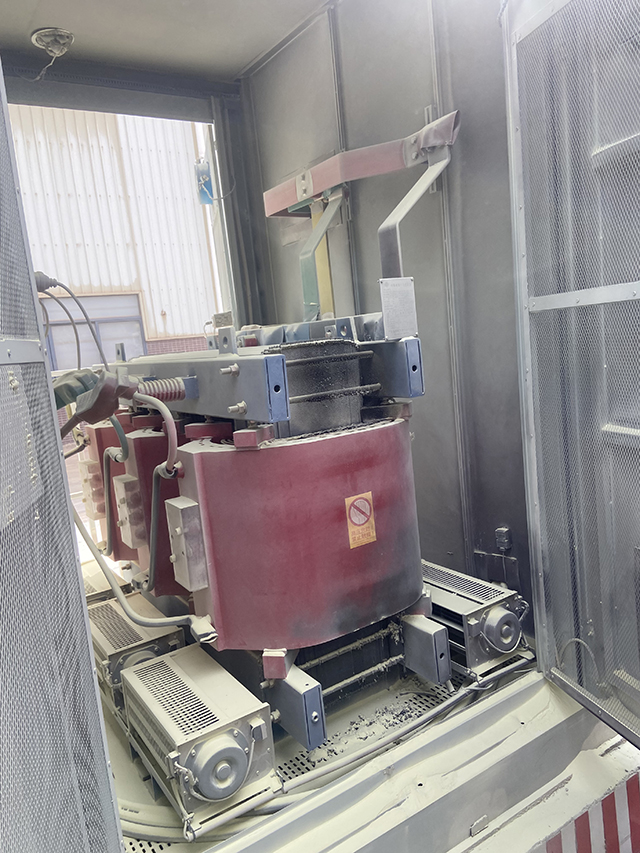
similar equipment in the same project has caught fire
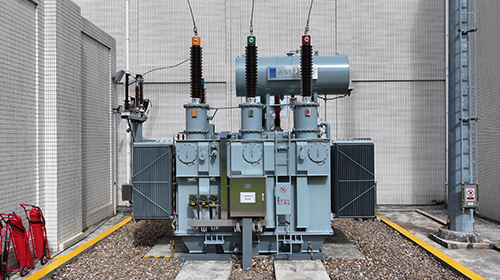
Professional testing and verification show that the equipment to be renovated is a 2000kVA/10.5kV transformer for photovoltaic power generation projects. Its actual performance is seriously substandard with multiple core parameters exceeding limits and obvious operational defects. Obvious abnormal noise occurred when the withstand voltage test voltage rose to 28kV; the load loss was 20.6% higher than the standard requirement, indicating severe excess loss. With only 50% rated current applied, the operating noise of the equipment reached 78dB, far exceeding the reasonable operating range. This fully proves that the actual effective capacity of the transformer is far below its nameplate rating.
For distributed photovoltaic owners, careless procurement leads to double losses: restricted power generation capacity and reduced project returns. In addition, frequent failures bring heavy manpower and material costs for shutdown maintenance and site coordination. Worse still, severe accidents triggered by faults may lead to catastrophic consequences. Low-cost yet inferior power distribution equipment continuously erodes the overall investment value of photovoltaic projects and seriously threatens their safe, stable and long-term operation.
New Energy Large-Scale Integration: Transformers Must Not Become Bottlenecks
We are in a critical period of developing the new power system. The 15th Five-Year Plan clearly states that the capacity of distribution networks to accommodate distributed new energy will increase from 500 million kW to 900 million kW. The installed capacity of distributed photovoltaics has surged from 78 million kW in 2021 to over 500 million kW.
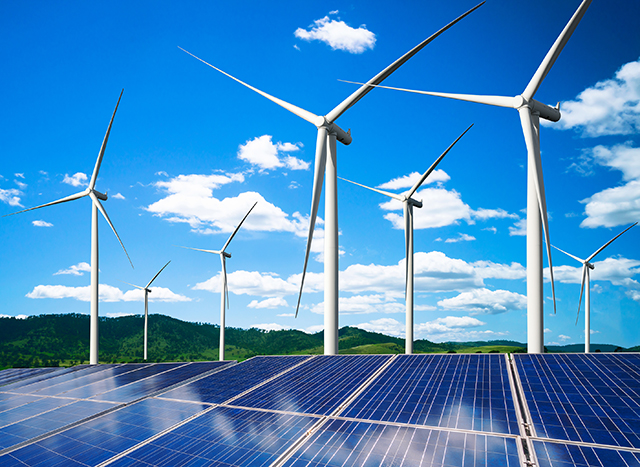
Large-scale grid connection of photovoltaic power brings new challenges to transformers at the end of distribution networks. Photovoltaic output fluctuates drastically with weather conditions, imposing higher requirements on transformers’ dynamic load regulation capability. Some transformers need to transmit surplus photovoltaic power back to the grid during daytime, while bearing user-side loads in forward direction during evening peak hours. Frequent switching of operating conditions and impact loads continuously test the heat dissipation, overload and short-circuit resistance performance of transformers.
The Implementation Plan for High-Quality Development of Energy-Saving Equipment (2026–2028), jointly issued by the Ministry of Industry and Information Technology and three other authorities, emphasizes improving the energy efficiency and system adaptability of transformers used in wind power, photovoltaics, hydrogen energy, new energy storage and other new energy sectors. Currently, the actual load capacity of some new energy transformers only reaches 60%~70% of their rated capacity. Coupled with insufficient heat dissipation, poor overload capacity and weak impact resistance, such transformers cannot adapt to the complex operating conditions of new energy and often become bottlenecks.
Haihong Electric’s Energy-Saving Renovation Solution: No Capacity Expansion Required, Yet Strong Enough
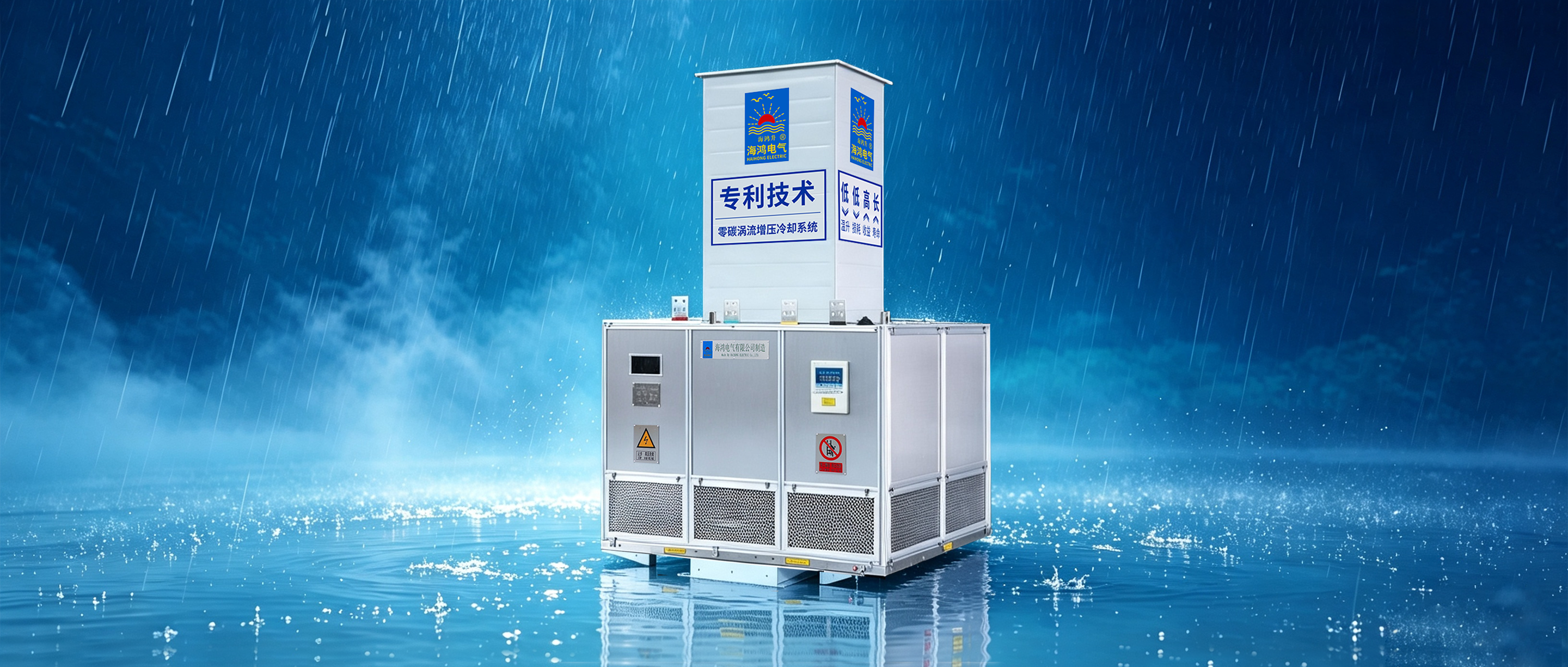
To tackle the renovation challenges of new energy prefabricated substations, Haihong Electric delivers a targeted upgrade solution without extensive disassembly and replacement. The original transformer is replaced with a Fully insulated low-temperature-rise 3D wound core dry-type transformer of the same capacity. Meanwhile, a zero-carbon vortex pressurizable cooling system is installed for the prefabricated substation.
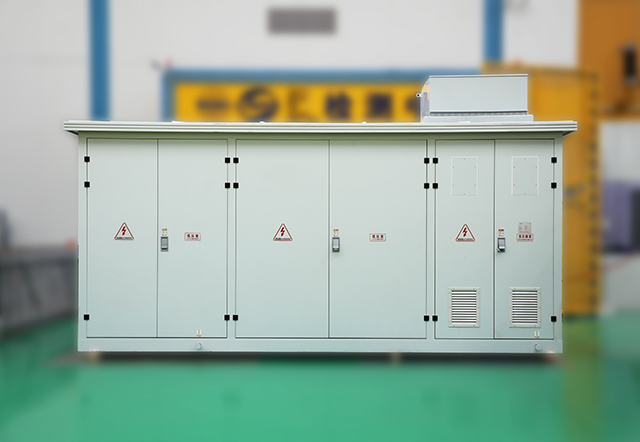
after renovation
After renovation, no high-temperature alarms have occurred during operation of the prefabricated substation, and the operating noise remains low. The total weight of combustible materials of the transformer is reduced by 85%, delivering excellent fire and explosion resistance, which has won high recognition from the user. Without capacity expansion, the safe load margin is effectively unlocked, the operating temperature rise of the transformer is greatly reduced, and the transformer’s load capacity is further improved. It can stably withstand peak electricity loads and impact loads from the new energy system for a long time. The coil insulation avoids cracking, and the service life is significantly extended.
For the existing equipment market, this solution boasts outstanding economic benefits. Unlike the high investment for full replacement of prefabricated substations, Haihong’s solution only replaces the transformer and installs the zero-carbon vortex pressurizable cooling system, minimizing renovation costs and improving photovoltaic power generation efficiency without capacity expansion.
Empowering New Energy Development: Transformers Shall Shift from "Functional" to "Reliable & High-Performing"
Multiple policies keep driving the energy efficiency upgrade of transformers. Authorities including the National Development and Reform Commission have listed power transformers as key equipment for renewal and renovation to accelerate the phasing-out of old transformers. The Implementation Plan for High-Quality Development of Energy-Saving Equipment (2026–2028) proposes that by 2028, the proportion of newly added energy-saving transformers shall exceed 75%, and the proportion of in-service energy-saving transformers shall reach 15%, continuously expanding the application scale of high-efficiency energy-saving transformers. The revised Guideline for Bearing Capacity Evaluation of Distributed Power Generation Connected to Power Systems restructures the evaluation logic of grid connection bearing capacity, incorporating actual operating conditions and equipment performance as core indicators for grid connection assessment. In the new power system dominated by new energy, especially in the photovoltaic sector, the evaluation criteria for transformers are shifting from merely "usable" to "stable under operating conditions, reliable and high-performing".
When evaluating the quality of a transformer, we should not only refer to the parameters on the nameplate, but also its actual available overload margin, impact resistance and stable long-term operation performance. Achieving the dual carbon goals requires both policy guidance and continuous technological iteration by equipment manufacturers based on real application scenarios. When more power equipment delivers consistent performance on paper and in practice, new energy can operate steadily and be fully consumed, providing solid support for regional green transition.
*The above content is the property of HAIHONG Electric Co., Ltd. For reprint authorization, please contact the company directly.